
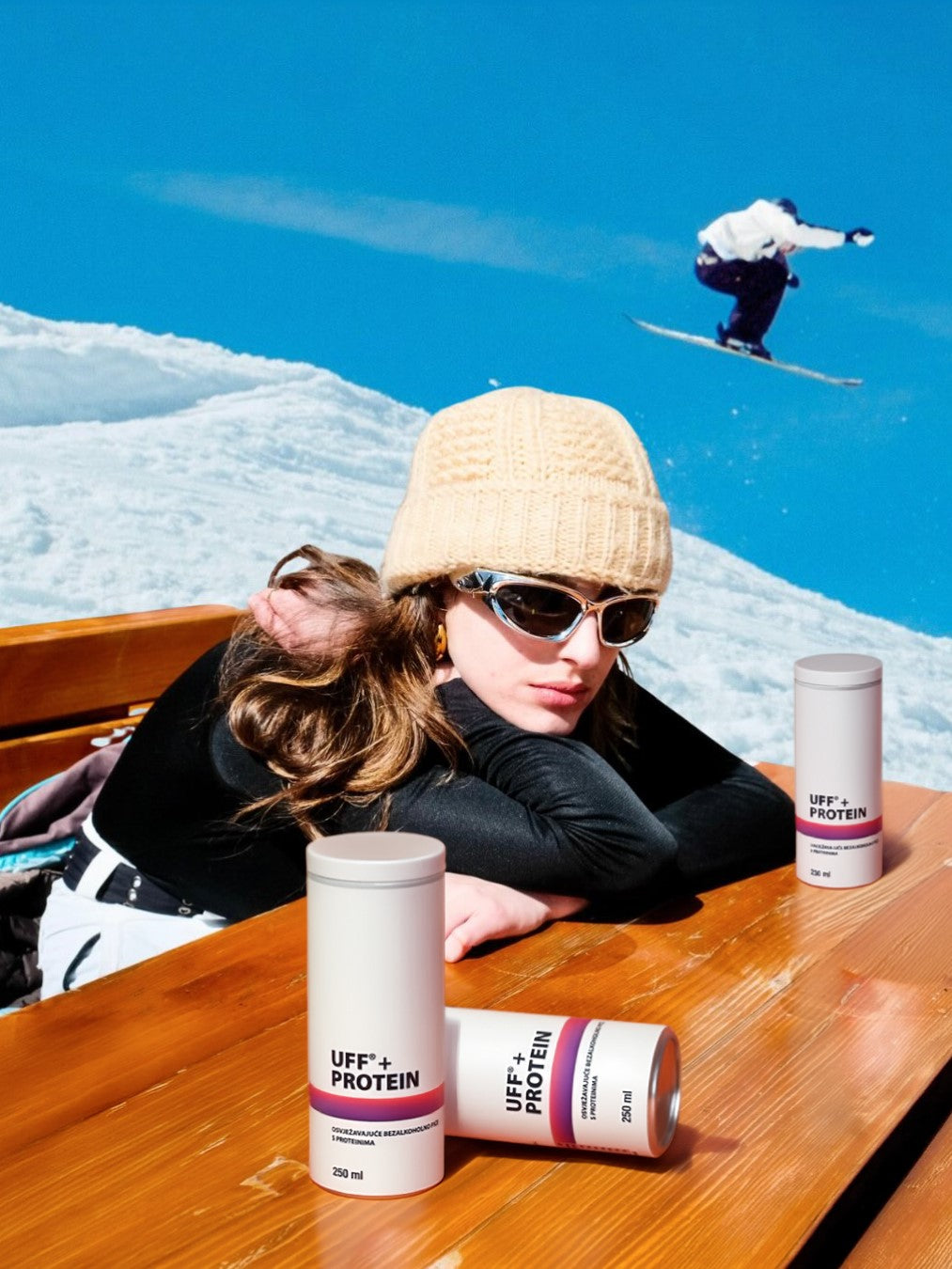
You can have the perfect training plan. You can have the best coach, the most expensive equipment, and unlimited motivation. If you’re not consuming enough protein at the right time — your results will come slower, be smaller, and recovery will cost you more than it should.
Protein is not a supplement for bodybuilders on posters. Protein is a macronutrient without which the body literally cannot build or repair muscle tissue. And that’s not motivational talk — it’s physiology.
What actually happens to your muscles when you train
Every workout — whether it’s lifting, HIIT, running, or even intense yoga — causes micro-damage to muscle fibers. That may sound alarming, but it’s exactly what’s needed for growth and strength.
The problem arises during recovery: the body needs building material to repair those micro-damages and rebuild the muscle stronger than before. That building material is amino acids — and the only way your body gets them is through nutrition. More specifically: through the protein you eat or drink.
Without enough protein during this phase: muscles don’t repair optimally, training doesn’t deliver full results, recovery takes longer, and the risk of overtraining increases. In that case, the body starts using its own muscle tissue as a source of amino acids — which is the exact opposite of what you want.
How much protein do you actually need? (Not assumptions - numbers)
This is a topic surrounded by more misinformation than almost any other in nutrition. Let’s clear it up once and for all.
According to consistent recommendations in sports nutrition and recent research, an active person who trains 3–5 times per week needs between 1.6 and 2.2 grams of protein per kilogram of body weight per day.
For a 70 kg person, that means between 112 and 154 grams of protein per day. For reference: 100 grams of chicken breast contains about 31 grams of protein. One egg contains about 6 grams.
Reaching the upper range through food alone — without conscious meal planning — is nearly impossible for most people living a normal life.
And no, you don’t have to be a bodybuilder for this to apply. These values are relevant to anyone who trains regularly and wants that training to actually matter.
Timing: When you take protein is almost as important as how much
There’s something called the “anabolic window” — a period of approximately 30 to 60 minutes after training when the body is especially receptive to protein intake. During this time, muscle cells are “hungry” for amino acids, absorption is accelerated, and protein synthesis peaks.
Waiting until you get home, cook a meal, and eat means missing or minimizing that window. Taking protein immediately after finishing your workout — in the form of a ready-to-drink option — is not just convenient. It’s the optimal strategy for maximum results.
UFF® + Protein: Formulated for real people with real training
UFF® + Protein is not a generic protein shake repackaged in attractive branding. The formula is developed with a focus on bioavailability, taste, and convenience — because a drink you can’t enjoy won’t help you.
Each bottle delivers a precisely measured dose of high biological value protein, with an amino acid profile that supports muscle protein synthesis. No excess sugar that sabotages your training efforts. No artificial colors or preservatives added just to extend shelf life.
The format is ready-to-drink — no mixing, no shaker leaking in your bag, no compromise on taste. Grab it, drink it, move on with your day.
Who is UFF® + Protein for?
Recreational athletes: Those who train 3–5 times per week and want visible results.
Women who strength train: Protein deficiency is especially common among women who avoid protein out of fear of “getting too bulky” — which is a myth long debunked by nutrition science.
People 40+: With age, the body becomes less efficient at absorbing and utilizing protein from food. Higher intake becomes even more important.
Active professionals: Those who don’t have time to prepare perfect meals but refuse to compromise on results.
Protein and overall health: Beyond fitness
The conversation about protein is often reduced to muscles and aesthetics. But protein is fundamental to nearly every bodily function: immune system, hormonal balance, skin and hair health, enzymatic processes, and oxygen transport through the blood.
Chronic protein deficiency — even moderate — negatively affects energy, immunity, cognitive function, and the body’s ability to recover from illness or injury over time. Physical activity increases this risk because an active body has higher needs than a sedentary one.
Adequate protein intake is not a fitness lifestyle choice. It is basic nutritional hygiene for anyone living an active life.
Training without protein is a half-done job.
UFF® + Protein - everything your body needs right after you finish. Immediately. Not in an hour.

Leave a comment
This site is protected by hCaptcha and the hCaptcha Privacy Policy and Terms of Service apply.